Lifestyle & Vitality
Photoaging Explained: How UV Ray Exposure Alters Your Visual Age
September 16, 2026 · 5 min read
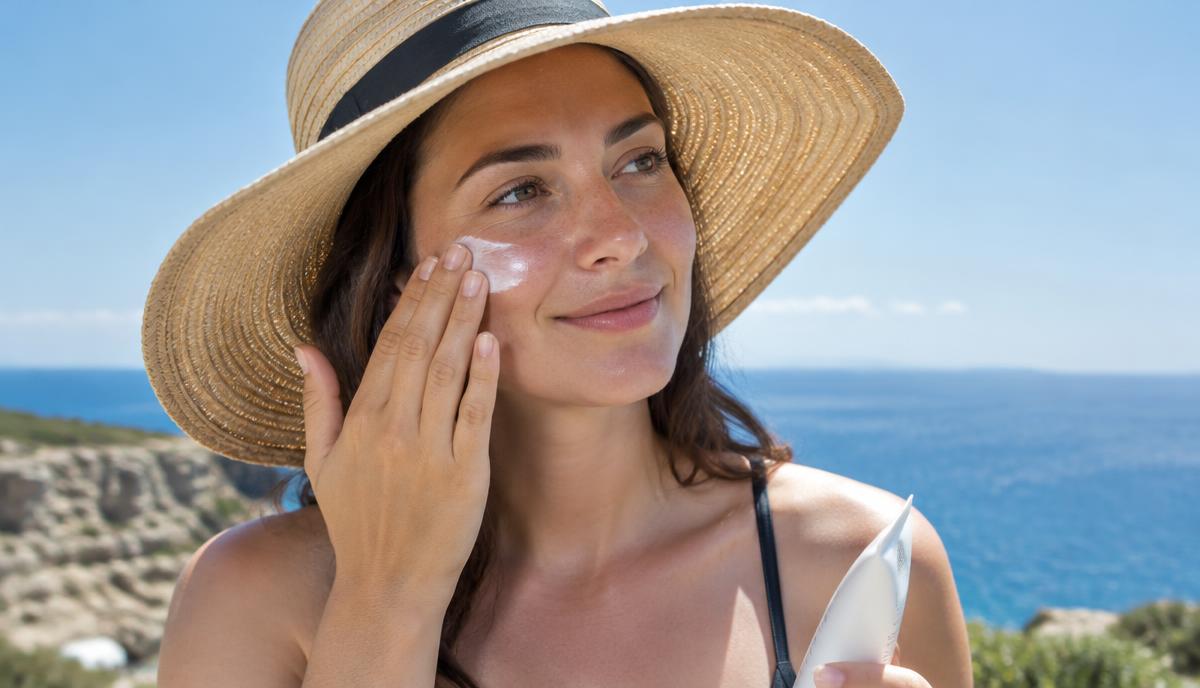
Look at the skin on your face, then at the skin on the inside of your upper arm. Same person, same age — but they often look like they belong to different decades. The difference is mostly sunlight. Dermatologists call it photoaging, and it accounts for a large share of the visible signs of aging on exposed skin.
Two kinds of skin aging
Intrinsic aging is the natural, genetically driven process. Skin slowly becomes thinner, drier and less elastic. It happens to everyone and shows up gradually.
Extrinsic aging comes from outside factors, and ultraviolet (UV) light is by far the biggest. Smoking, pollution and poor sleep add to it. A frequently cited estimate suggests that up to 80–90% of visible facial aging is caused by UV exposure.
How UV damages the skin
UVA and UVB
Sunlight contains two types of UV that reach the skin:
- UVB mainly affects the outer layer and causes sunburn.
- UVA penetrates deeper into the dermis, where collagen and elastin live. It passes through clouds and window glass and is present all year round.
Collagen breakdown
UV exposure triggers enzymes called matrix metalloproteinases, which break down collagen. At the same time, it reduces new collagen production. Over the years, skin loses its firmness and develops wrinkles.
Free radicals and DNA damage
UV light generates free radicals and directly damages DNA in skin cells. The body repairs much of this damage, but not all of it. Accumulated damage contributes to uneven pigmentation and, more seriously, to skin cancer.
Signs of photoaging
- Fine lines and deeper wrinkles, especially around the eyes and mouth
- Brown spots, often called sun spots or age spots
- Rough, leathery texture
- Visible small blood vessels
- Loss of firmness and sagging
The evidence for daily sunscreen
In a well-known Australian trial published in 2013, adults who applied broad-spectrum sunscreen daily for four and a half years showed no detectable increase in skin aging over that time, while those who used sunscreen at their own discretion showed measurably more aging. Daily users were also less likely to develop melanoma in related follow-up research.
Practical protection
- Use broad-spectrum SPF 30 or higher every day on your face, neck and hands — even when it's cloudy.
- Apply enough. Most people use too little. About half a teaspoon covers the face and neck.
- Reapply every two hours outdoors, and after swimming or sweating.
- Seek shade between late morning and mid-afternoon, when UV is strongest.
- Wear a wide-brimmed hat and UV-blocking sunglasses.
- Skip tanning beds entirely.
- Check the UV index in your weather app before spending long periods outdoors.
Can photoaging be reversed?
Some of it can be improved. Topical retinoids, available by prescription or in milder over-the-counter forms, have good evidence for boosting collagen and smoothing fine lines. Vitamin C serums may help with brightness. Professional treatments such as chemical peels and lasers can also help. But none of these work as well as preventing damage in the first place.
Our age estimator doesn't analyse your skin, but sun habits are a good reminder that the age people see on your face is only partly about your birthday.
Key takeaways
- Most visible facial aging is caused by UV light, not time.
- UVA reaches deep into the skin and breaks down collagen, all year round.
- Daily broad-spectrum sunscreen has been shown to slow visible skin aging.
- Prevention beats repair — but retinoids can help undo some damage.
Curious where you stand?
Try our free, private age estimator — it takes under a minute.
Estimate my age →This article is for general information only and is not medical advice.