Lifestyle & Vitality
Hydration and Biometrics: How Water Intake Impacts Your Skin's Appearance
September 2, 2026 · 5 min read
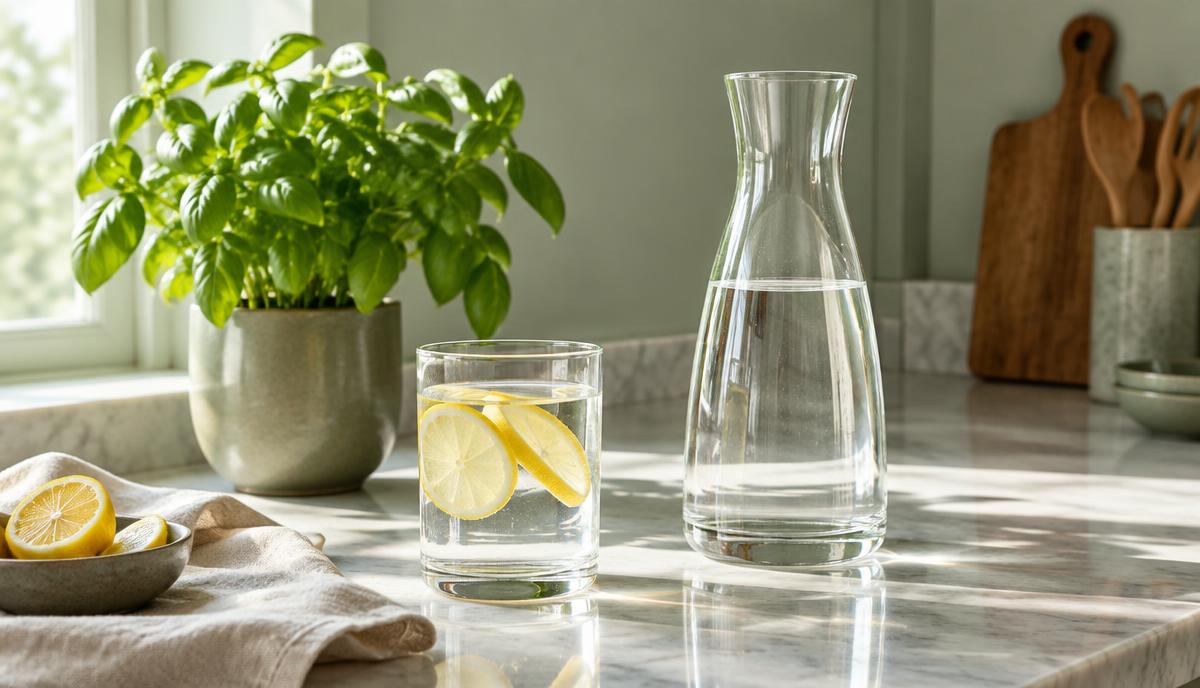
"Drink eight glasses of water a day for glowing skin" is one of the most repeated wellness tips around. It sounds sensible — skin is mostly water, after all. But what does the science actually say?
Your body is mostly water
Water makes up around 50–60% of an adult's body weight. It regulates temperature, carries nutrients, cushions joints and helps the kidneys remove waste. Even mild dehydration — losing 1–2% of body weight in fluid — can affect concentration, mood and physical performance.
How skin stays hydrated
Skin has three main layers. The outermost layer, the stratum corneum, acts as a barrier that keeps moisture in and irritants out. Its hydration depends less on how much you drink and more on:
- The skin barrier itself: lipids such as ceramides that seal in moisture
- Natural moisturising factors: compounds that attract and hold water
- The environment: humidity, wind, heating and air conditioning
- Skincare habits: hot showers and harsh soaps strip natural oils
The deeper layers get their water from the bloodstream, so overall hydration does play a role.
What the studies show
Research on drinking water and skin is limited, and most studies are small. A few have found modest improvements in skin hydration and elasticity when people who normally drank little water increased their intake, especially those who started out under-hydrated. For people already drinking enough, extra water seems to make little visible difference.
In other words, drinking water can help if you're running low, but it isn't a magic anti-aging treatment.
Signs you may not be drinking enough
- Dark yellow urine
- Feeling thirsty often
- Headaches or tiredness in the afternoon
- Dry mouth and lips
- Skin that looks dull or feels tight
How much should you drink?
There's no single right number. Many health authorities suggest a total water intake (from drinks and food) of roughly 2 litres a day for women and 2.5 litres for men, but needs rise with heat, exercise, illness, pregnancy and breastfeeding. About 20% of our water typically comes from food — fruits and vegetables like cucumber, watermelon and oranges are mostly water.
A practical guide: drink regularly through the day and aim for pale straw-coloured urine.
Beyond drinking: what actually helps skin
- Moisturise daily, ideally right after washing while skin is still slightly damp. Look for ingredients such as glycerin, hyaluronic acid and ceramides.
- Use lukewarm water for showers and face washing instead of hot water.
- Choose gentle cleansers without strong fragrances.
- Use a humidifier in dry indoor climates or during winter.
- Wear sunscreen, since UV damage is the biggest driver of visible skin aging.
- Limit alcohol, which is dehydrating and linked with puffiness and redness.
- Sleep well — skin repairs itself overnight.
Hydration and your overall health age
While water alone won't erase wrinkles, staying hydrated supports kidney function, blood pressure, exercise performance and brain function — all part of the bigger picture of healthy aging. Swapping sugary drinks for water is also one of the easiest diet improvements you can make.
Key takeaways
- Skin hydration depends more on the skin barrier and environment than on drinking alone.
- Drinking more water helps skin mainly if you were under-hydrated to begin with.
- Aim for pale urine and regular drinks throughout the day.
- Moisturiser, sunscreen and gentle skincare do more for skin than extra glasses of water.
Curious where you stand?
Try our free, private age estimator — it takes under a minute.
Estimate my age →This article is for general information only and is not medical advice.