Science of Aging
The Science of Longevity: Blue Zones Habits That Delay Aging
September 9, 2026 · 6 min read
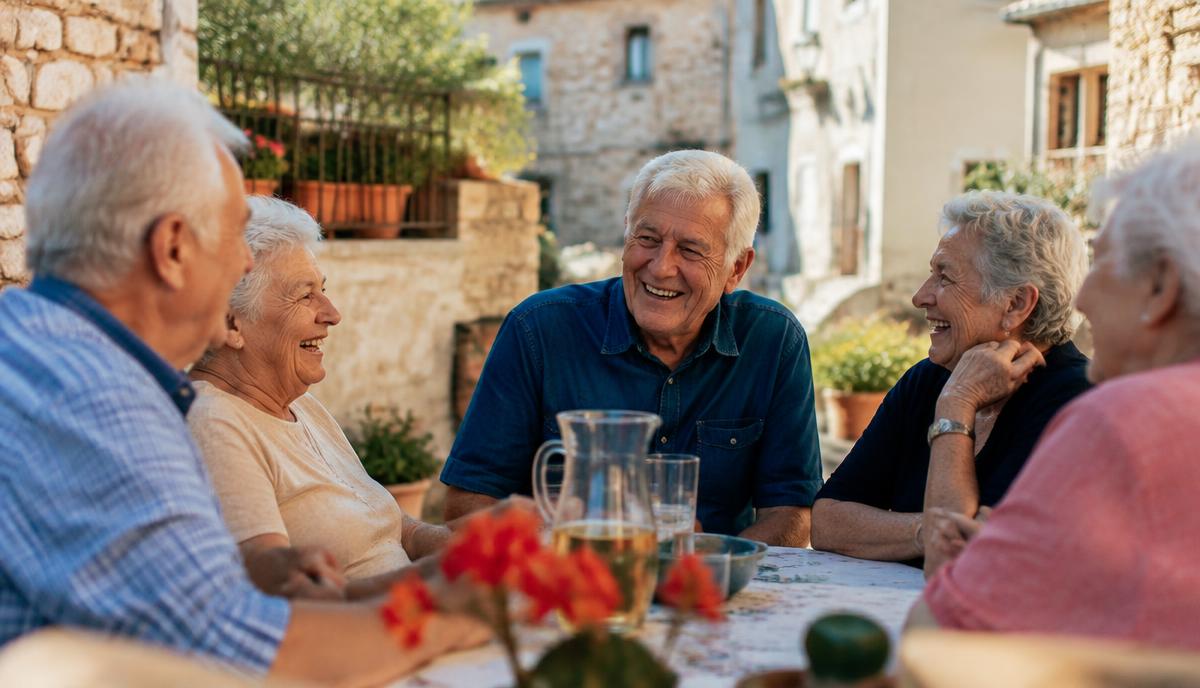
In the early 2000s, researchers and writer Dan Buettner set out to find places where people live unusually long, healthy lives. They identified five regions that became known as Blue Zones: Okinawa in Japan, Sardinia in Italy, Nicoya in Costa Rica, Ikaria in Greece, and Loma Linda in California.
These communities are very different in culture and climate. Yet their residents share a surprising number of daily habits.
A note of caution first
Blue Zones have attracted some criticism. A few researchers have questioned the accuracy of birth records in some regions, and lifestyles in these places are changing quickly as modern diets arrive. It's best to treat Blue Zones as an interesting case study rather than proof. Still, the habits they highlight line up closely with findings from much larger scientific studies.
The common habits
1. Natural, all-day movement
People in Blue Zones rarely go to a gym. Instead, they move constantly: walking to visit neighbours, gardening, kneading bread, climbing hilly streets. Their activity is built into life rather than scheduled. Research supports this: regular low-intensity movement throughout the day is linked with lower mortality, separate from formal exercise.
2. Mostly plant-based meals
Beans, lentils and chickpeas are staples in all five regions. Diets are rich in vegetables, whole grains, nuts and olive oil, with meat eaten only occasionally and in small amounts. Large studies consistently link this kind of eating pattern with lower rates of heart disease and longer life.
3. Eating until 80% full
Okinawans follow a saying, "hara hachi bu," which reminds them to stop eating when they're about 80% full. Lighter evening meals are common across Blue Zones. Moderate calorie intake is one of the most studied interventions in aging research.
4. A sense of purpose
Okinawans call it "ikigai"; Nicoyans call it "plan de vida." Both mean having a reason to get up in the morning. Studies have found that people with a strong sense of purpose tend to have lower mortality and better cognitive health in later life.
5. Ways to downshift
Everyone experiences stress, but Blue Zones residents have daily rituals to release it — prayer, an afternoon nap, a happy hour with friends, or remembering ancestors. As we've covered elsewhere, chronic stress is linked with faster biological aging.
6. Strong social ties
Family comes first, older relatives are cared for at home, and close friendships last a lifetime. Okinawans form "moai," small groups of friends who support each other for decades. Social isolation, by contrast, is associated with health risks comparable to smoking.
7. Belonging to a community
Most centenarians interviewed belonged to some kind of faith-based or community group. Regular attendance was associated with longer life expectancy in several studies, likely through social support, routine and lower stress.
8. Moderate drinking, in some regions
In Sardinia and Ikaria, a glass of local red wine with friends and food is common. Note, though, that more recent research suggests there may be no truly "safe" level of alcohol, so there's no reason to start drinking for health.
How to bring Blue Zone habits home
- Walk or cycle for short trips instead of driving.
- Make beans or lentils part of at least one meal a day.
- Use smaller plates and stop eating before you feel stuffed.
- Schedule regular meals with friends or family.
- Find a hobby, volunteer role or project that gives you purpose.
- Build a daily wind-down ritual, even if it's ten minutes.
Key takeaways
- Blue Zones are regions where people commonly live long, healthy lives.
- Shared habits include natural movement, plant-heavy diets, purpose, low stress and strong social ties.
- Some data have been questioned, but the habits match broader research.
- You don't need to move to Sardinia to benefit — small changes add up.
Curious where you stand?
Try our free, private age estimator — it takes under a minute.
Estimate my age →This article is for general information only and is not medical advice.