Lifestyle & Vitality
The Power of Antioxidants: Can Diet Reverse Cellular Aging Metrics?
September 30, 2026 · 6 min read
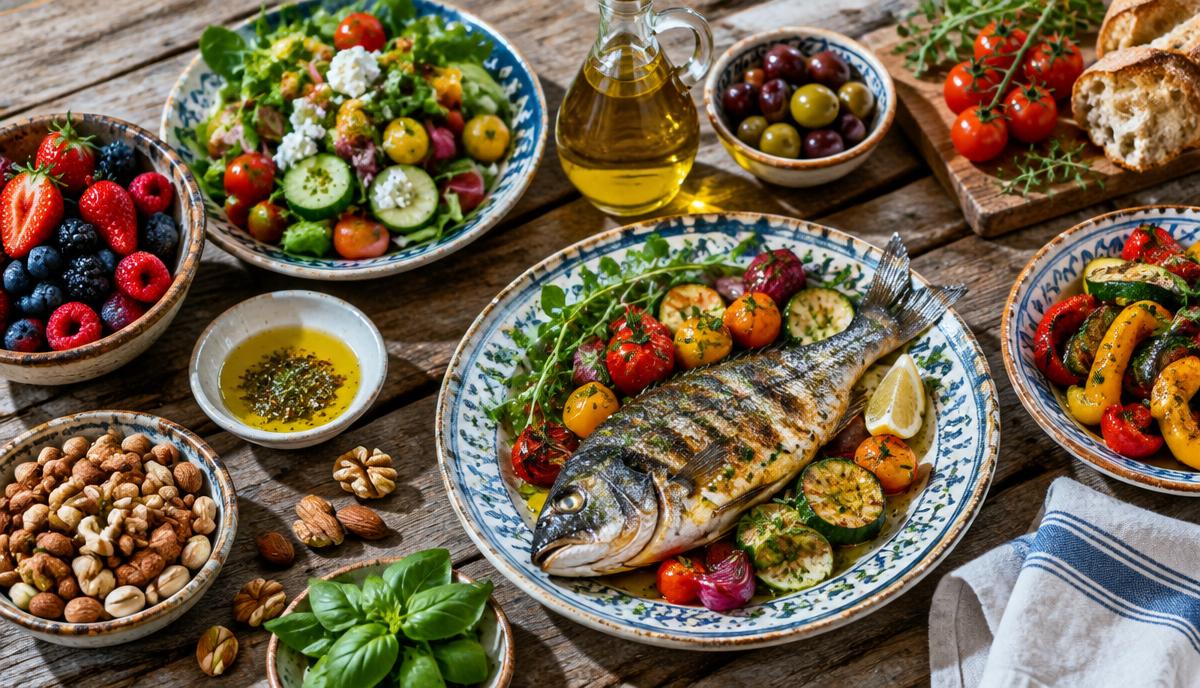
Walk down any supermarket aisle and you'll see the word "antioxidant" on everything from green tea to breakfast cereal. The promise is simple: eat more antioxidants, age more slowly. The real story is more interesting — and more useful.
Free radicals and oxidative stress
Every cell in your body turns food and oxygen into energy. That process produces by-products called reactive oxygen species, often known as free radicals. They're unstable molecules that can damage proteins, fats and DNA.
Free radicals aren't purely bad. Your immune system uses them to kill bacteria, and they act as signals that help muscles adapt to exercise. Problems arise when production outpaces your body's ability to neutralise them. This imbalance is called oxidative stress, and it's one of several processes scientists link with aging, heart disease and some cancers.
Smoking, heavy drinking, pollution, too much sun, poor sleep and chronic stress all increase oxidative stress.
Your body's own defence system
The body makes its own antioxidant enzymes, such as superoxide dismutase and glutathione peroxidase. Food adds a second line of defence through compounds including:
- Vitamin C — citrus fruits, peppers, kiwi, broccoli
- Vitamin E — nuts, seeds, vegetable oils
- Carotenoids — carrots, sweet potatoes, tomatoes, leafy greens
- Polyphenols — berries, tea, coffee, cocoa, olive oil, apples, red onions
- Selenium and zinc — fish, eggs, legumes, Brazil nuts
What the research shows about food
Large population studies consistently find that people who eat plenty of fruits, vegetables, whole grains, legumes, nuts and olive oil tend to live longer and have lower rates of chronic disease. The Mediterranean diet, which is naturally rich in antioxidants, is one of the best-studied eating patterns in the world.
Diet may also show up in biological age measures. Studies have linked higher diet-quality scores with slower epigenetic aging, and the 2021 trial that combined diet, exercise, sleep and relaxation reported a modest drop in epigenetic age after eight weeks. Because those studies change several things at once, it's hard to credit antioxidants alone — but the overall pattern is encouraging.
The supplement surprise
Here's where it gets tricky. If antioxidant-rich foods are good, wouldn't high-dose antioxidant pills be even better? Several large trials say no.
- High-dose beta-carotene supplements raised lung cancer risk in smokers in two major trials.
- Large reviews have found that vitamin E and beta-carotene supplements did not reduce overall mortality, and some analyses suggested a small increase.
- Very high antioxidant doses may blunt some of the benefits of exercise by interfering with the signals that help muscles adapt.
The likely explanation is that whole foods deliver hundreds of compounds in balanced amounts, along with fibre and other nutrients, whereas pills deliver a single compound at doses the body never evolved to handle. Unless a doctor has diagnosed a deficiency, food is the better route.
Practical ways to eat for healthier aging
- Eat the rainbow. Different colours signal different antioxidant families, so variety matters more than any single "superfood."
- Fill half your plate with vegetables and fruit at most meals.
- Use extra-virgin olive oil as your main cooking fat.
- Snack on nuts and berries instead of biscuits.
- Drink tea or coffee in moderation if you enjoy them; both are major polyphenol sources.
- Eat beans and lentils several times a week.
- Limit processed meat, sugary drinks and ultra-processed snacks, which are linked with more inflammation.
- Cook gently. Steaming and quick stir-frying preserve more nutrients than long boiling.
Key takeaways
- Oxidative stress is one of several processes linked with aging.
- Antioxidant-rich diets, such as the Mediterranean pattern, are associated with longer, healthier lives and possibly slower biological aging.
- High-dose antioxidant supplements have not lived up to the hype and can sometimes cause harm.
- A varied, colourful, mostly plant-based diet is the best-supported strategy.
Curious where you stand?
Try our free, private age estimator — it takes under a minute.
Estimate my age →This article is for general information only and is not medical advice.